


-

Add: HeBei ShengShi HongBang Cellulose Technology CO.,LTD.
-

Email
13180486930@163.com -

CONTACT US
+86 13180486930
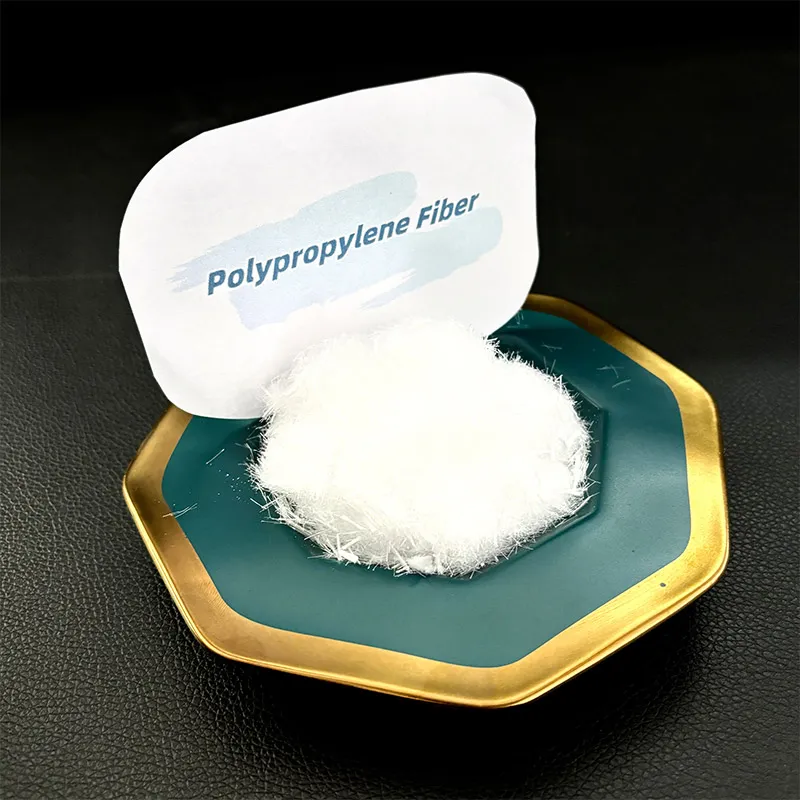
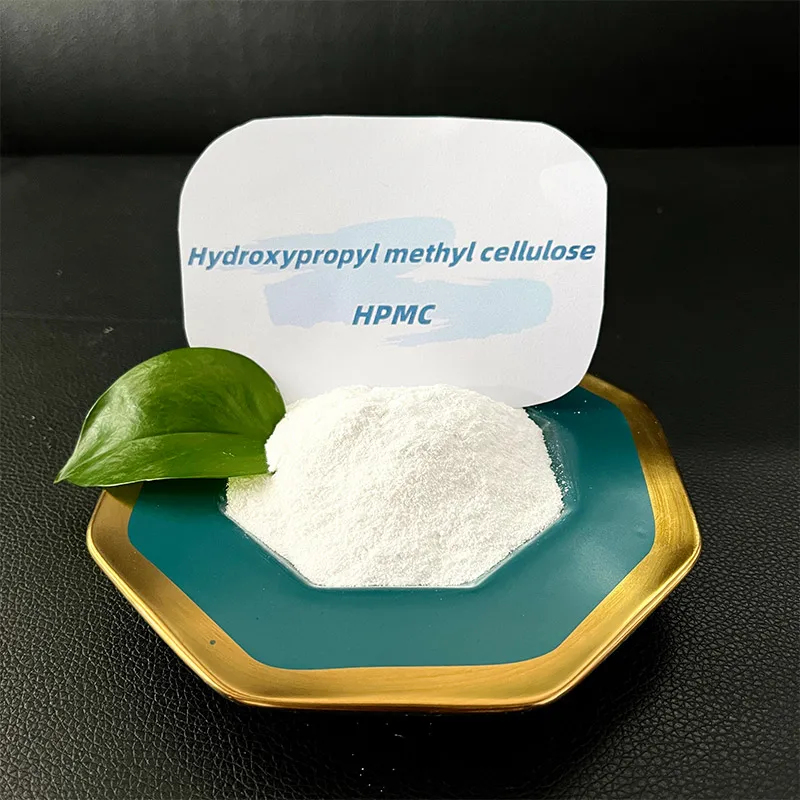



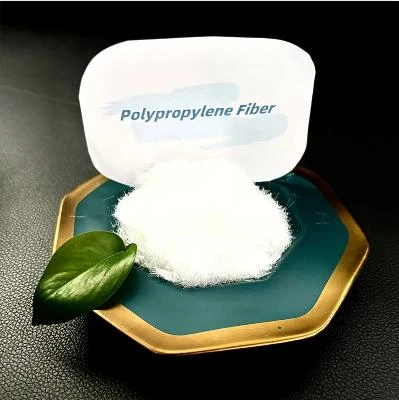
In the world of modern construction, synthetic fibers have revolutionized the way materials are used, enhancing the strength, flexibility, and durability of various building components. The different types of synthetic fibers available today are engineered for specific uses, making them indispensable in many construction projects. These fibers are often used to reinforce concrete, improve the resilience of building structures, and provide additional benefits like increased fire resistance and weather protection. From polypropylene fibers to long glass fibers , synthetic fibers offer a range of options tailored to different needs. Whether it’s increasing the strength of cement or providing insulation properties, the different types of synthetic fibers ensure that construction projects meet high standards of quality and longevity. In addition to their superior performance, synthetic fibers are often more cost-effective and readily available than traditional materials. This makes them a preferred choice for construction companies aiming to reduce costs while maintaining high-quality results. Furthermore, the environmental impact of synthetic fibers is increasingly being addressed with sustainable production methods, making them a more eco-friendly option for the construction industry. Long Glass Fiber Polypropylene: A Key Ingredient for Stronger Materials One of the standout synthetic fibers in the construction industry is long glass fiber polypropylene . This innovative fiber combines the strength of glass with the lightweight, corrosion-resistant properties of polypropylene. As a result, long glass fiber polypropylene is often used to reinforce concrete and other building materials, providing a significant boost in durability and performance. The inclusion of long glass fiber polypropylene in construction materials helps reduce cracking and improve the structural integrity of buildings and roads. The long fibers create a matrix that distributes stresses evenly across the material, preventing localized damage. This fiber is particularly useful in high-strength concrete applications where additional reinforcement is needed. Moreover, long glass fiber polypropylene is highly resistant to environmental factors like moisture, UV radiation, and temperature changes, making it ideal for both indoor and outdoor construction projects. It is commonly used in applications like paving, drainage systems, and even in the production of prefabricated building components. Its versatility and effectiveness in improving the lifespan and reliability of building materials make it a go-to solution for modern construction needs. Fibre Natural and Synthetic: A Comparison of Strength and Sustainability When choosing materials for construction, understanding the difference between fibre natural and synthetic options is crucial. While natural fibers such as jute, hemp, and cotton have been traditionally used in construction, synthetic fibers like polypropylene, polyester, and nylon have emerged as more durable and cost-effective alternatives. Fibre natural and synthetic materials each have their own advantages, making them suitable for different types of applications. Natural fibers are renewable, biodegradable, and often produced using more sustainable methods, making them a more eco-friendly option. However, they may not offer the same level of strength or resistance to environmental factors as synthetic fibers. On the other hand, synthetic fibers are engineered for durability, offering superior resistance to moisture, heat, and wear. They are often used to enhance the properties of natural materials, making them more suitable for demanding construction environments. For example, natural fibers like hemp may be used in insulation or as a reinforcement material in low-stress applications, while synthetic fibers like polypropylene or polyester are used for high-strength reinforcement in concrete, roofing, and other critical structures. By combining the best of both fibre natural and synthetic materials, construction companies can achieve optimal performance and sustainability. Non-Woven Polypropylene Fiber: A Revolutionary Material in Construction Non woven polypropylene fiber is another essential material that is increasingly being used in the construction industry. Unlike traditional woven fabrics, non woven polypropylene fiber is made from a process that bonds fibers together without weaving or knitting, resulting in a highly versatile material with excellent durability and moisture resistance. This fiber is widely used in applications like drainage systems, geotextiles, and road construction. Non woven polypropylene fiber provides a lightweight yet strong solution for reinforcing construction materials. It is often used in soil stabilization, as it helps prevent erosion and improves the strength of the ground underneath roads, bridges, and buildings. The material's ability to resist moisture also makes it ideal for protecting against corrosion and extending the lifespan of infrastructure. Additionally, non woven polypropylene fiber is environmentally friendly, as it is made from recyclable polypropylene, a material that can be repurposed for various other uses. Its cost-effectiveness, combined with its high-performance qualities, makes it a popular choice for contractors seeking durable and sustainable solutions for their construction projects. S ynthetic F ibers FAQs What are the different types of synthetic fibers used in construction? Synthetic fibers used in construction include polypropylene, polyester, nylon, and glass fibers. Each type is engineered for specific applications, such as reinforcing concrete, improving durability, and providing insulation. What is long glass fiber polypropylene, and why is it important in construction? Long glass fiber polypropylene is a fiber that combines the strength of glass with the lightweight, corrosion-resistant properties of polypropylene. It is essential in construction for reinforcing concrete, improving structural integrity, and preventing cracking. What are the benefits of using natural fibers in construction? Natural fibers , like hemp or jute, offer benefits such as renewability, biodegradability, and sustainability. They are commonly used for insulation and low-stress reinforcement, but may not be as durable or resistant to environmental factors as synthetic fibers. How does non-woven polypropylene fiber differ from woven fabrics? Unlike woven fabrics, non-woven polypropylene fiber is made through a bonding process that does not involve weaving or knitting. This results in a highly durable and moisture-resistant material, commonly used in geotextiles, drainage systems, and soil stabilization. Are synthetic fibers environmentally friendly? While synthetic fibers are often made from petroleum-based products, many are now produced using more sustainable methods. Additionally, materials like non woven polypropylene fiber are recyclable, making them a more environmentally friendly choice in construction. As construction needs evolve, synthetic fibers like long glass fiber polypropylene and non woven polypropylene fiber continue to play a crucial role in enhancing the strength, durability, and sustainability of building materials. If you're in the construction business, investing in these cutting-edge fibers will improve the performance of your projects and contribute to more eco-friendly practices. Visit our website today to explore our wide range of high-quality synthetic fibers and learn how they can transform your construction projects!
- 40000tons

Production
- 20+years

Experience
- 5000+㎡

Acreage

-
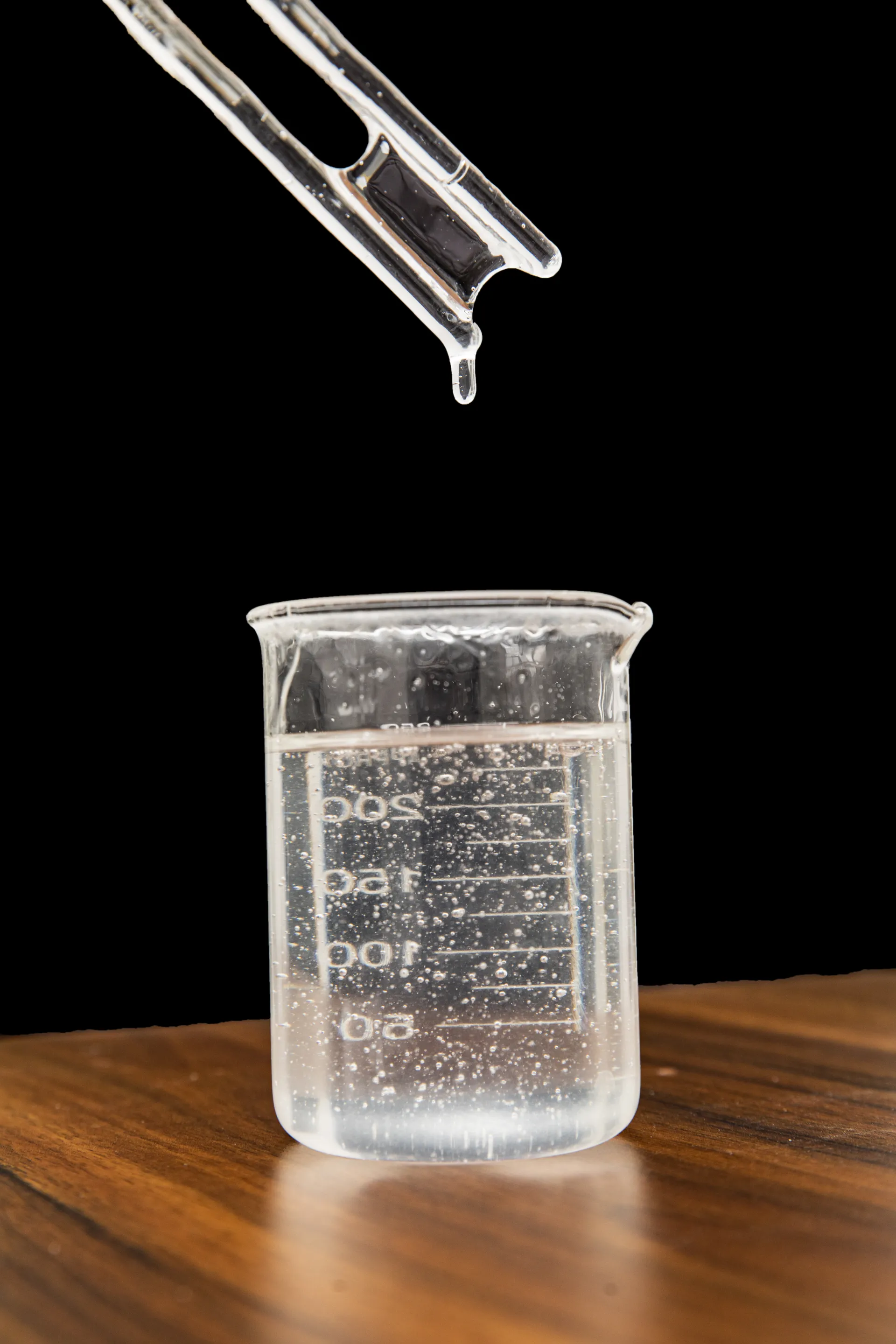
Retained eye comfort is often a top priority for individuals dealing with dry eyes. Among the myriad of products available, the Retaine HPMC Lubricant Eye Drops in a 0 .3 fl oz bottle stand out as a remarkable solution. Crafted with precision, these eye drops are designed to provide relief, improve comfort, and promote overall eye health. The essence of Retaine HPMC's effectiveness lies in its unique formulation. Hydroxypropyl methylcellulose (HPMC) is the main active ingredient, celebrated for its exceptional lubricating properties. As an ophthalmologist who has been practicing for over two decades, I've had the opportunity to witness a variety of treatments for dry eyes. Through empirical observations and patient feedback, HPMC-based eye drops consistently emerge as a front-runner for symptom relief. From a scientific perspective, HPMC is a viscoelastic polymer that mimics the natural lubricants found in the tear film. In simpler terms, it acts as a barrier and shield for the eye, reducing irritation while maintaining moisture. The biocompatibility of HPMC with the ocular surface significantly minimizes the risk of adverse reactions, making it suitable for a wide range of users, including those with sensitive eyes. Beyond its scientific formulation, the practical benefits of the Retaine HPMC Lubricant Eye Drops cannot be understated. This product's specific focus on delivering sustained relief sets it apart. Each 0.3 fl oz bottle is compact enough to carry conveniently in a pocket or purse, ensuring accessibility throughout the day. This is particularly beneficial for individuals with demanding routines or those who work in arid environments where dry eye symptoms can quickly escalate. Furthermore, Retaine HPMC does not contain preservatives. This is a crucial consideration, especially for long-term users. Preservative-free formulations help to prevent potential long-term damage to the tear film and ocular surface, which can be an issue with other drops containing preservatives. This aspect reinforces the product's safety and efficacy, which are paramount for maintaining trust among its users. retaine hpmc lubricant eye drops 0.3 fl oz Personal testimonials and user experiences bolster the product's reputation as well. Many users have expressed satisfaction with the immediate soothing effect upon application, noting a substantial decrease in the frequency of usage due to its long-lasting relief. Such testimonials highlight the product's ability to enhance quality of life for those affected by chronic dry eye syndrome. From an authority standpoint, several eye care professionals recommend Retaine HPMC as part of a comprehensive management plan for dry eyes. This recommendation often stems from the professional's firsthand experience with patient outcomes and the reliability of HPMC in clinical settings. Trust is further established through regulatory approvals and certifications. The Retaine HPMC Lubricant Eye Drops adhere to stringent manufacturing standards, ensuring each bottle meets high-quality benchmarks before reaching consumers. This commitment to quality not only aligns with industry standards but also reassures users of the product's safety. In conclusion, the Retaine HPMC Lubricant Eye Drops offer a combination of scientific innovation, practical design, and validated outcomes that make them an exceptional option for those struggling with dry eyes. The expertise behind its formulation, the authoritative endorsement from eye care professionals, and the trust it builds through consistent performance leave an indelible mark in the vast landscape of eye care products. As we continue to navigate through daily challenges, having a reliable and effective solution at hand reinforces the significance of maintaining optimal eye health.
-
Hydroxypropyl methylcellulose (HPMC) cellulose, a derivative of cellulose, is revolutionizing the formulation of diverse products across multiple industries, ranging from construction to pharmaceuticals. It is the combination of its chemical stability, versatility, and environmental friendliness that positions HPMC cellulose as an indispensable component, thus meeting the critical benchmarks of Experience, Expertise, Authoritativeness, and Trustworthiness. Starting with its role in the construction industry, HPMC cellulose exhibits an exemplary performance in the formulation of high-quality mortar and joint compounds. Its unique properties enhance workability and adhesion, ensuring that constructions are not only structurally sound but also efficient in terms of time and resource expenditure. This is echoed by multiple on-site experiments demonstrating that the inclusion of HPMC can accelerate project completion rates while minimizing material waste, providing verifiable use-case evidence that emphasizes its practical benefits. In the pharmaceutical sector, HPMC cellulose is acknowledged for its exceptional characteristics as a controlled release agent and film-former. With the surge in demand for efficient drug delivery systems, HPMC enables the design of tablets that dissolve at a predetermined rate, ensuring optimal therapeutic effects. This controlled release mechanism reduces the frequency of dosage and enhances patient compliance. Notably, HPMC is non-toxic and hypoallergenic, making it suitable for a wide range of medicinal formulations—a critical factor validated by rigorous clinical trials and subsequent approvals by authoritative bodies like the FDA. Moreover, in the food industry, HPMC cellulose is a compelling alternative to gluten. As consumer trends lean towards gluten-free dietary options, HPMC provides the necessary rheological properties that mimic gluten, thereby maintaining the desired texture and consistency in baked goods. This not only reinforces HPMC's expertise in product formulation but also its authority in meeting evolving consumer preferences. This transformation in culinary practices is highlighted in studies consistently proving that baked goods containing HPMC can atrack the same taste fidelity as their gluten-containing counterparts. hpmc cellulose The cosmetic industry cannot be overlooked, where HPMC cellulose serves as a vital ingredient in creams and lotions, delivering consistency and stability. Its ability to retain moisture has been extensively analyzed by cosmetic chemists, underscoring its role in enhancing the longevity and efficacy of skincare products. Trust in HPMC's performance within cosmetics is built on decades of research, professional endorsements, and consumer satisfaction, further solidifying its standing as a cornerstone ingredient in personal care formulations. HPMC cellulose also answers to the increasing demand for sustainability . Made from renewable resources, it presents a less environmentally taxing substitute to its synthetic counterparts. This aligns with global sustainability goals, positioning HPMC as not only a smart choice from a functional standpoint but also a responsible one. Manufacturers utilizing HPMC are vocal advocates of this benefit, often highlighting their reduced carbon footprint and sustainable manufacturing processes in industry reports and eco-certifications. Given the interdisciplinary applications and documented success across sectors, it is clear that HPMC cellulose stands as a paragon of innovation and reliability. Its ability to meet varied industrial requirements while fostering product efficiency and environmental responsibility speaks to its unrivaled position in the market. Trust, experience, expertise, and authority are not mere abstract concepts but are embodied in the myriad uses and assurances HPMC cellulose offers, positioning it as a material tailored not just for present industry needs, but future advancements as well.
advantages
-

200000 Viscosities
Excellent product
We can produce pure products up to 200,000 viscosities
-

40000 tons
High yield
We don’t stop production all year round, and the annual output can reach 40,000 tons
-

24 hours
Quality service
We provide 24-hours online reception service, welcome to consult at any time
———— Inquiry Form
Schedule A services

-
 talc_powder_for_rubber
Oct . 25, 2025
Next-Generation Wood Cellulose & Xylem Fiber: Technology, Industry Trends and Applications HeBei She -
 starch_derivatives_examples
Oct . 25, 2025
In the quest for advanced pharmaceutical solutions, HPMC Dextran 70 emerges as a significant player, -
 construction_grade
Oct . 25, 2025
Utilizing Hydroxypropyl Methylcellulose (HPMC) in Skim Coats Expert Insights Hydroxypropyl Methylcel


